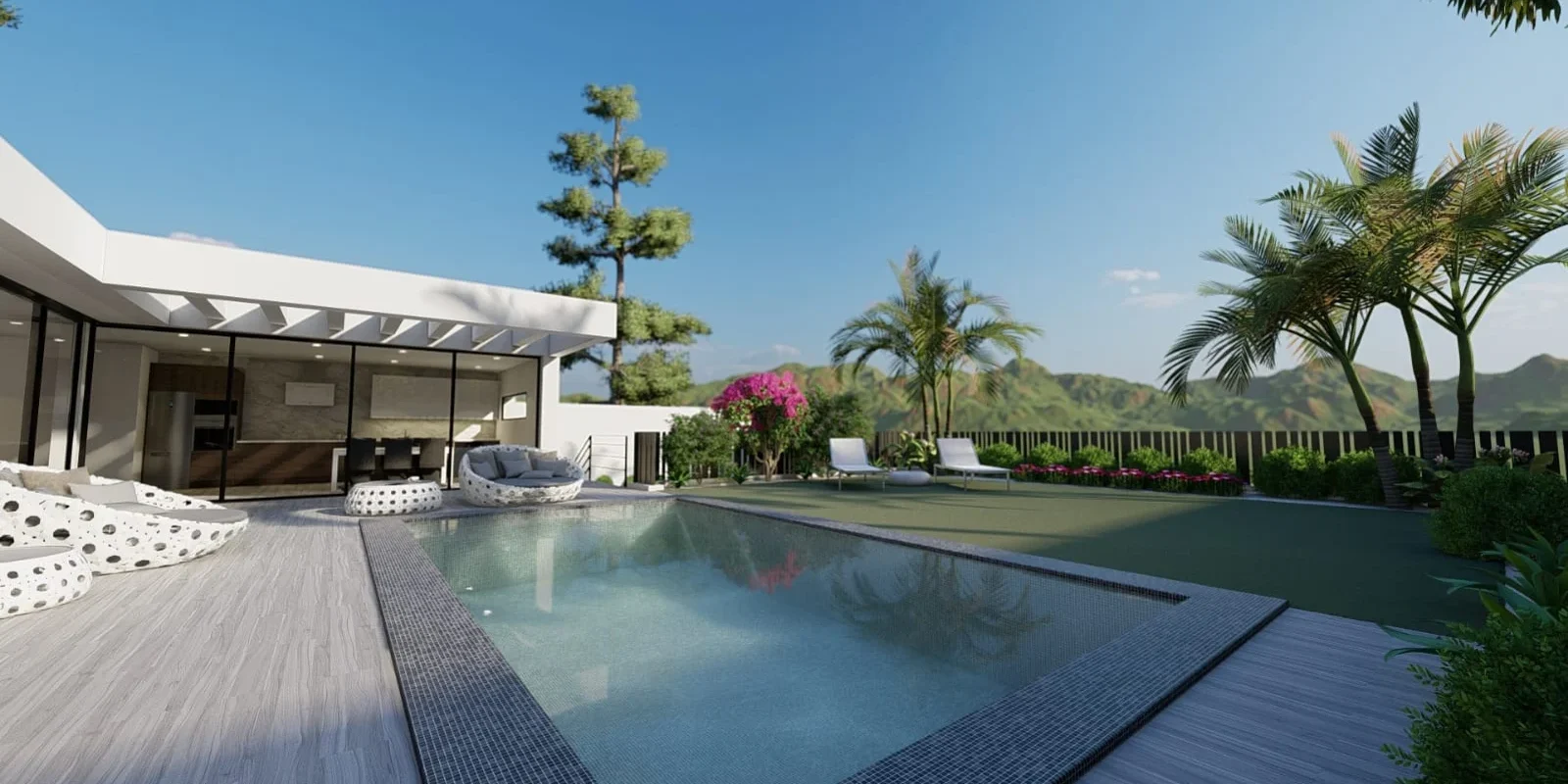
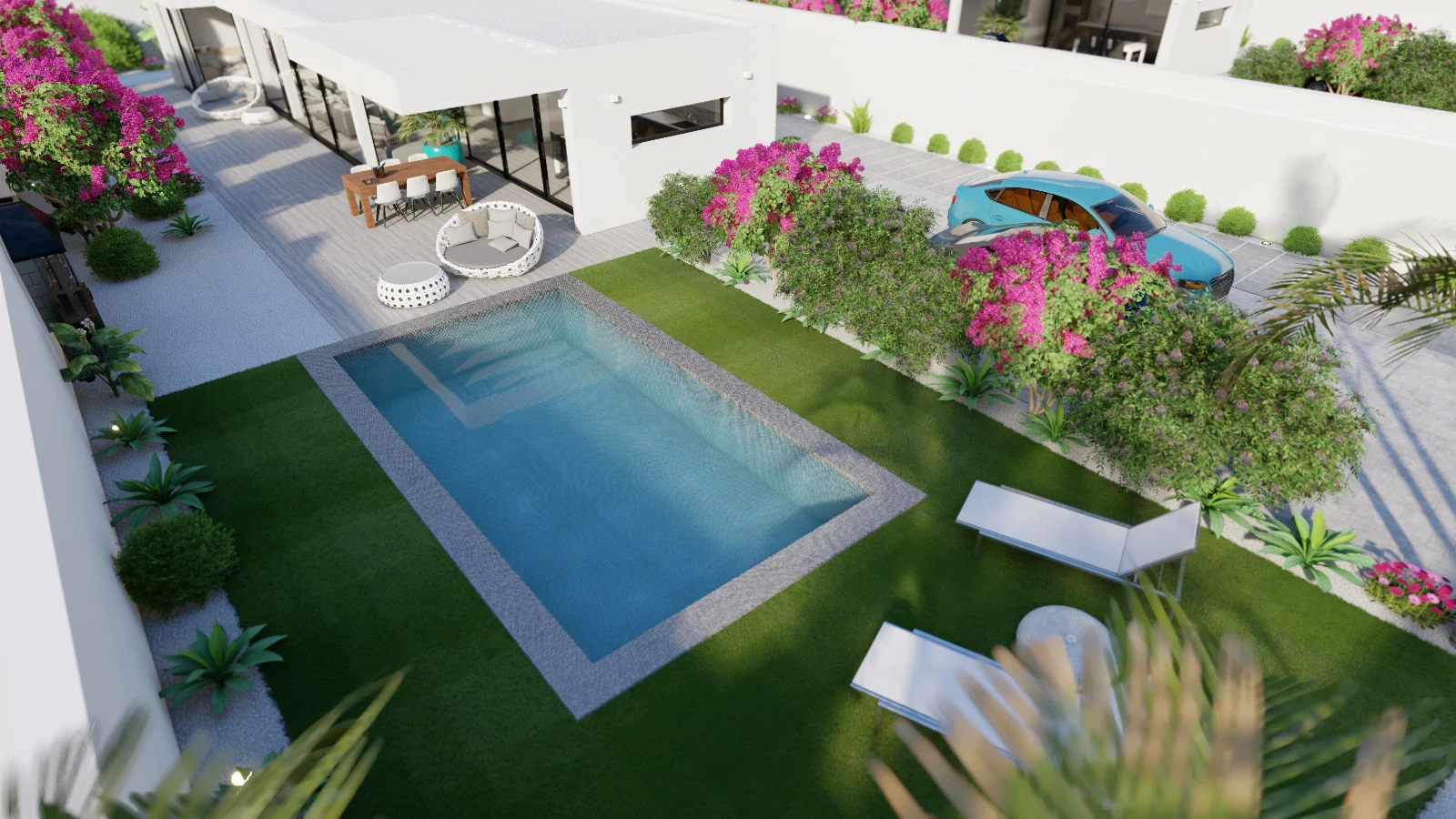
A property render helps explain an architectural proposal. It lets you imagine building volumes, outdoor spaces and the relationship between rooms. That visual value is a useful starting point for better questions. A decision about a plot or future home also needs a clear connection between the image, drawings, documents and the particular offer.
Property render: identify the version and model
Ask which model and plot the image refers to, and for the design’s date or version. An image may belong to an earlier proposal or show an alternative. It can also illustrate a housing concept without representing contracted construction.
Keep the presentation and the conditions under which it is offered. The contractual significance of an image or advertising statement should be assessed in context, rather than dismissed through a general disclaimer. The responsible lawyer can consider its relationship with the other information and proposed contract. As a reference, Article 61 of Spain’s consumer legislation concerns the inclusion of offers and advertising in contracts. Applying it to a particular transaction requires an individual assessment.
Compare the property render with plans and specifications
A perspective can show one space clearly while leaving other relevant elements out of view. Review dimensions, layout and the relationship with the site with your technical adviser. Ask what is actually represented and what reflects presentation choices, such as the angle, lighting or planting.
- Does the home shown correspond to this plot and model?
- Which drawings explain the floor areas and layout?
- Which design decisions are still open to change?
- Which finishes, furniture or outdoor elements are included in the offer?
- What documents allow access, slopes and relationships with neighbouring plots to be checked?
A pool shown in an image deserves a question about scope, design and conditions, just like any other element. Do not assume it is included because it appears, or excluded because of a general statement. Ask for a documented answer concerning the specific offer.
Check the project’s status separately
Image quality does not itself explain the status of procedures or approvals. Ask for documents supporting the milestones mentioned, and distinguish a study, an application and a decision. The review needs to address the current file and the work being proposed.
If your interest is buying plots, identify the land and its conditions first. If building is included, define the scope with the technical professionals and the proposed construction contractor. The Land Registrars’ service is one source of registry information; commercial drawings do not replace those documents or planning checks.
Connect the image with a defined budget
Request a proposal explaining included work, exclusions and assumptions. Separate the land cost from other expenses and construction, if contemplated. Ask which amounts come from current quotations and which remain estimates.
The timetable matters too. A forecast date should be distinguished from an agreed commitment and from completed milestones. A property render does not demonstrate buyer demand, a completed sale or future returns. Those questions need different evidence and their own assessment.
To prepare the review file, use our document checklist for assessing a plot in Tenerife.
Using Yaco II renders to ask better questions
Yaco II images help explain the visual proposals presented by Renova. An enquiry should establish whether you are considering plots or a possible villa development, because they have different scopes. Lawyers handle the legal review and qualified technical professionals handle the relevant technical assessment.
Start by requesting the identification of the model that interests you and the available information about the transaction. The dossier and economic scenarios remain private. This article does not confirm availability, licences, contracted construction or investment returns.
Request Yaco information · Spanish form
You can also contact Renova in English.
General information for organising a professional review. Reviewed and expanded on 30 October 2026.